Thursday, April 6, 2017

#TealEggsforPCOS #Infertility and #PCOS Campaign Chat Series


This April join in as we bring awareness to #Infertility for #PCOS

#Infertility affects 40% of women with #PCOS.

Approximately 90%–95% of anovulatory women presenting to infertility clinics have PCOS.

#PCOS is believed to be responsible for as much as 70% of #infertility issues in women!

For many, treating #Infertility with PCOS may be limiting , due to cost of treatments, misdiagnosis, undiagnosed or hormonal issues which need intervention from a specialist.

We are thrilled to partner with

RESOLVE - http://www.resolve.org/
The National Infertility Association

to bring more information and awareness to infertility and PCOS...

Visit our event page:

https://www.facebook.com/TealEggsforPCOS/

#TealEggsforPCOS CHAT SERIES

April 17
2PM EST
Lunchtime Live with Dr. Shahine
Planting seeds to Pregnancy
Twitter Live

Dr. Lora Shahine http://www.pnwfertility.com/

April 18
7PM EST
Preparing your Hormones
Lara Briden, ND
Goggle Hangouts Live

Lara Briden, ND
http://www.larabriden.com/

April 19
12PM EST
Lunchtime Live with Misty
Alternatve approaches to
PCOS & Imfertility
Twitter Live Chat

Misty M. Reed, L. Ac.
http://www.conceivablecoach.com

April 21
7PM EST
411 #PCOS & #Infertility
INSTAGRAM LIVE

Ashley Levinson - @PCOSgurl
https://www.facebook.com/PCOSgurl/

April 22
12PM EST
Lunchtime Live with Shelby
A journey of PCOS & overcoming Infertility
Instagram Live

PCOS Support Girl - Shelby http://coachshelby.com/pcos-support-girl-meet-surviving-shelby/

April 23
7PM EST
Infertility Talk Live
GOOGLE HANGOUTS

Kristen Darcy
http://www.kristendarcy.com/

April 24
7:30PM EST
Nutrition for PCOS
FACEBOOK LIVE

Martha McKittrick, RD, CDE
http://marthamckittricknutrition.com

April 25
12PM EST
InfertilTY & PCOS
FACEBOOK LIVE

Dr. Mark Perloe
http://www.ivf.com

April 26
6PM EST
The psychology of PCOS
FACEBOOK LIVE

Gretchen Kubacy, Psy.D.
http://drgretchenkubacky.com/

April 27
TIME: TBA
Options for PCOS
FACEBOOK LIVE

Dr. Fiona McCullough, ND
http://drfionand.com/

April 28
12PM EST
Nutrition for PCOS & Infertility
FACEBOOK LIVE

Angela Grassi, MS, RDN, LDN
PCOS Nutrition Center
http://www.pcosnutrition.com/

April 29
9AM EST
Natural Approaches PCOS & Infertility
FACEBOOK LIVE

Dr. Pamela Frank, ND
http://forcesofnature.ca/

MORE WILL BE ANNOUNCED SHORTLY


#TealEggsforPCOS BLOGS AND VLOGS

PCOS Support Girl
An intimate journey with PCOS
VLOG

Dr. Pamela Frank
PCOS and Infertility
BLOG

Dr. Gretchen Kubacy
The Psychology of PCOS
BLOG

Dr. Kristin Bendikson
PCOS and infertility
VLOG

Dr. Kristin Bendikson - USCFertility
http://uscfertility.org/

Couples Q n A with Ali and Jesus
Cysters and Their Misters
BLOG

Martha McKittrick, RD
Nutrition for Infertility & PCOS
BLOG

Angela Grassi
PCOS Nutrition Center
BLOG


CONTESTS!!!!!

We are teaming up with

PCOS Challenge
http://www.pcoschallenge.org

to bring FABULOUS prizes to those who are struggling to start a family...

Our Community members will submit their teal dyed Easter Eggs in a basket photos  along with a story about their struggle with Infertility due to PCOS...

CONTEST SUBMISSIONS: April 1- 13

KEEP YOUR EYES PEELED FOR
CONTEST RULES

Prizes will include books, products, treatments, counseling, fitness items, nutritional items, womens health items and PCOS inspired items....

Winners will be announced April 19, 2017


Options for Treating PCOS Infertility


Options for treating #PCOS Infertility
#TealEggsforPCOS 

The infertility rate with polycystic ovaries #PCOS is very high. Women with PCOS usually will have difficulty getting pregnant and usually require treatment to improve chances for pregnancy

In most cases, fertility problems in women with PCOS result from the absence of ovulation (anovulation), 

Lifestyle changes, such as losing weight, changing nutrition and exercise regimens, supplements, can trigger body changes that facilitate conception in women with #PCOS

However, some may require a more targeted approach when #TTC requiring specialists and specialized treatments....


If you have PCOS-related infertility, your health care provider may prescribe one of the following medications to help you get pregnant:

Clomiphene 
(pronounced KLOM-uh-feen), 
or clomiphene citrate

This is the most common treatment for infertility in women with PCOS.1 The American College of Obstetricians and Gynecologists (ACOG) recommends that clomiphene should be the primary medication for PCOS patients with infertility.

Clomiphene indirectly causes eggs to mature and be released.

Women treated with clomiphene are more likely to have twins or triplets than women who get pregnant naturally. One in 10 women who conceive with the aid of clomiphene will have a multiple pregnancy, most commonly twins.

Metformin (pronounced met-FAWR-min)
Although this insulin-sensitizing drug is normally used to treat diabetes, it may also be used as an adjunct to increase or regulate ovulation in women with PCOS.

Metformin can be used alone8 or used with clomiphene when clomiphene alone is not successful.

Evidence shows that metformin—both alone and in combination with clomiphene—increases ovulation, but it does not increase the rate of pregnancy.9
Metformin is not approved by the FDA for treating PCOS-related infertility.

Letrozole 
(pronounced LET-roh-zohl)

This drug transiently slows estrogen production and causes the body to make more follicle-stimulating hormone (FSH), a hormone needed for ovulation.

Letrozole is as effective as clomiphene in causing ovulation,11 but it is still not known whether it improves pregnancy and live-birth rates.

The NICHD currently is doing studies to compare the safety and effectiveness of letrozole with clomiphene for treating infertility related to PCOS.

Studies of letrozole in animals have shown that it causes birth defects if used during pregnancy, but there have been no studies of this drug in pregnant women.

If you do not get pregnant with these first-line medications, your health care provider may suggest one of the following treatments

Gonadotropins 
(pronounced goh-nad-uh-TROH-pins)

These hormones, given as shots, cause ovulation.

This treatment is costly and has a higher risk of multiple pregnancies than does treatment with clomiphene.

Your health care provider may need to use frequent laboratory tests and ultrasound exams to watch how your body responds to this treatment.

Ovarian drilling

This surgery may increase the chance of ovulation and may be considered if lifestyle changes and medications have been used without success.

In ovarian drilling the surgeon makes a small cut in your abdomen and inserts a long, thin tool called a laparoscope (pronounced LAP-er-uh-skohp). The surgeon then uses a needle with electric current to puncture and destroy a small part of the ovary. The surgery leads to lower androgen levels, which may improve ovulation.

This surgery may be less costly than treatment with gonadotropin,14 and it does not seem to increase the risk of multiple pregnancies. However, it does carry the risk of scarring the ovaries.

This treatment is not recommended by all professional societies. It is unclear whether the process is more effective than medications for treating PCOS infertility.


If you do not get pregnant with the treatments listed above, your health care provider may suggest in vitro fertilization, or IVF. In this procedure, sperm and an egg are placed in a dish outside the body, in which fertilization occurs. Then a doctor places the fertilized egg into the uterus. IVF may offer women with PCOS the best chance of getting pregnant, and it may give health care providers better control over the risk of multiple births. But it can be expensive and may not be covered by health care insurance.


There are many options to help women with #PCOS ..... It is not impossible it's just sometimes finding the right combination that works for you and your body....

Join us through April for #NIAW and our #TealEggsforPCOS event to raise more awareness for #PCOS and #Infertility 
With live chats with experts, blogs, vlogs and contests tgat provide products, treatments, inspiration and services for women with PCOS who are trying to conceive 

 https://www.facebook.com/TealEggsforPCOS/

Sunday, November 20, 2016

What it's like to live with #PCOS


What it's like to live with #PCOS

Author:Ashley Levinson
Twitter & IG: @PCOSgurl


Many people have read my posts about #PCOS but I often wonder if they really truly understand what life with PCOS is like for those living with this syndrome.

The best way I can explain it to someone who is not living with it is it's like being in a glass box..... sure people can see you but they can't hear you, they can't feel what you feel and they can often put you on aloo shelf and invalidate you if they can't understand.

The truth is, many of us feel trapped inside this glass box... often screaming..trapped in bodies dealing with symptoms many can't see and the symptoms that are seen often make us feel like we are being judged, like it is somehow our doing our fault..... yet we can not escape it...

What PCOS (polycystic ovary syndrome) is, and what it does to women who have it, is complicated to explain as symptoms and severity of the syndrome can vary from person to person.

Some of the classic symptoms are drastic weight gain, hair loss, depression, fatigue, thyroid problems, high cholesterol, panic attacks, headaches, dizzy spells, poor memory or muddled mind, sleeping disorders, constant thirst, extreme cravings, insulin resistance, cystic acne, cystic ovaries, menstrual cycles without ovulation, irregular cycles, severe mood swings, high testosterone levels, infertility problems, excess facial and body hair, not to mention a seven times greater risk than an average woman for four major health concerns affecting women in the United States today including heart disease, diabetes, cancer and stroke.

Even though #PCOS was first recognized over 75 years ago, we are no closer to understanding its cause or its treatment. There is no singular test that can conclude whether a woman or girl has the syndrome instead it is a collection of symptoms, history and diagnostic testing.

As a result once a doctor concludes it is Polycystic Ovary Syndrome, they manage the symptoms to prevent long-term health consequences such as infertility, diabetes and heart disease.

As it currently stands, PCOS is the most underserved health issue affecting women with less than 0.1% of NIH Funding in the United States  being dedicated to PCOS research, diagnosis and treatment.  Furthermore, although there are guidelines that have been set by multiple organizations with regards to diagnosing PCOS, there is still no universal criteria or category for the syndrome. Until this is addressed, many women will continue to suffer needlessly wondering what is wrong with them.

PCOS Awareness has to happen now to ensure women and girls do not have to go through another day, month or year of silent suffering..... Please join the PCOS Community in learning more about this syndrome, make your voice matter for millions of women worldwide who only ask that people to realize Why PCOS Matters.....

Join us in our fight...


Sign the PCOS Petition
https://t.co/7MjGyvVRqU

PCOS and Diabetes..... The Rise of an Epidemic


PCOS and Diabetes.....
The Rise of an Epidemic

Author: Ashley Levinson
Twitter: @pcosgurl
November 20, 2016


Many are unaware of what PCOS or Polycystic Ovary Syndrome is, let alone it is one of the biggest contributing causes to Diabetes today!

PCOS or Polycystic Ovary Syndrome is an endocrine disorder affecting between 10-20% of women worldwide with less than half knowing they are living with it. Many associate PCOS as a gynecological issue as many manifestations affect a woman's menstruation, ovulation and fertility.  PCOS, while it is the leading cause of infertility is however a metabolic syndrome affecting multiple systems in the body. 


What PCOS is, and what it does to women who have it, is complicated to explain as symptoms and severity of the syndrome can vary from person to person. Some of the classic symptoms are drastic weight gain, hair loss, depression, fatigue, thyroid problems, high cholesterol, panic attacks, headaches, dizzy spells, poor memory or muddled mind, sleeping disorders, constant thirst, extreme cravings, insulin resistance, cystic acne, cystic ovaries, menstrual cycles without ovulation, irregular cycles, severe mood swings, high testosterone levels, infertility problems, excess facial and body hair, not to mention a seven times greater risk than an average woman for four major health concerns affecting women in the United States today including heart disease, diabetes, endometrial cancer and stroke.

Even though #PCOS was first recognized over 75 years ago, we are no closer to understanding its cause or its treatment. There is no singular test that can conclude whether a woman or girl has the syndrome instead it is a collection of symptoms, history and diagnostic testing. As a result once a doctor concludes it is Polycystic Ovary Syndrome, they manage the symptoms to prevent long-term health consequences such as infertility, diabetes and heart disease.

One of key factors of this syndrome with it's metabolic complications is often the overproduction of insulin and the imbalance of blood glucose which in turn leads to insulin resistance, pre-diabetes and ultimately Diabetes Mellitus II.  Polycystic ovary syndrome (PCOS) and Type 2 diabetes mellitus (T2D) are both obesity-related conditions that share epidemiological and pathophysiological factors. Research has indicated between 50% and 70% of American women with Polycystic Ovarian Syndrome experience Insulin Resistance. This means the body has become somewhat resistant to responding to insulin. As a result, women with the syndrome have an overproduction of androgens (Male Hormones in the Female Body) which in turn affect several body systems and result in symptoms not limited to; acne, weight –gain and obesity, excess facial and body hair, thinning and balding hairline, irregular and/or absent menses and infertility. Estimates of prevalence of metabolic syndrome in women with PCOS are between 34 and 46%, using the National Cholesterol Education Program Adult Treatment Panel III (NCEP ATPIII) criteria. It is also clear that hyperandrogenism is frequently associated with T2D in women

Additionally, in a blog from the ADA they state, "Women with type 1 diabetes are at increased risk for PCOS, further suggesting that insulin may be a key player. A possible link between PCOS and type 1 diabetes may be that the large swings in insulin levels that accompany insulin injections may place extra stress on the ovaries. Likewise for people with type 2, who tend to have high levels of insulin in the early stages of diabetes because their bodies whip it out to fight their insulin resistance."

PCOS carries a substantial risk of developing type 2 diabetes and is a risk factor for CVD. These are collectively referred to as CMD. Several studies from the USA report 7.5–10% of women with PCOS have type 2 diabetes and 31–35% with IGT. Furthermore, numbers of women with PCOS appear to be increasing.  A link has been reported between the increasing incidence of obesity, IGT and type 2 diabetes amongst adolescent girls with PCOS which means diabetes could reach epidemic proportions among young women predisposed to T2D and insulin resistance.


"PCOS affects about 7 million women in the USA. That's more than the number of people diagnosed with Breast Cancer, Rheumatoid Arthritis, Multiple Sclerosis and Lupus combined!" - Louise Chang, MD

Screening women with PCOS for diabetes is seldom undertaken, largely through difficulties in diagnosis due to identification and management of PCOS continuing to focus on treatment of infertility and hirsutism. There is a need for evidence-based guidelines on screening, diagnosis and interventions to reduce CMD specifically in women with PCOS.

With more than half of the women with PCOS predestined to have prediabetes or type 2 diabetes before the age of 40, finding ways to diagnose, screen and educate on the connection between these to diseases is imperative! Without the proper education and awareness of these connected disorders, the Diabetes epidemic will continue to rise.


REFERENCES:

Diabetes Stops Here ADA Blog: http://diabetesstopshere.org/2012/09/11/pcos-the-cousin-of-diabetes/

Medscape: http://www.medscape.com/viewarticle/759835

Thursday, June 9, 2016

Why you should be #suckered into The #LemonFaceChallenge for #PCOS


Author: Ashley Levinson
Twitter: @PCOSgurl
IG: @PCOSgurl


When life gives you lemons, you start a campaign..

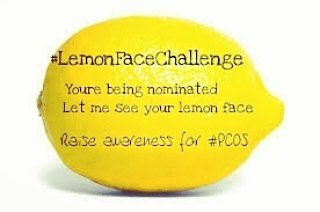
The #LemonFaceChallenge for #PCOS has called on The #PCOS Community, doctors, supporters, friends and family are getting down right "sour" to raise awareness for polycystic ovary syndrome, with an overwhelming response!!!

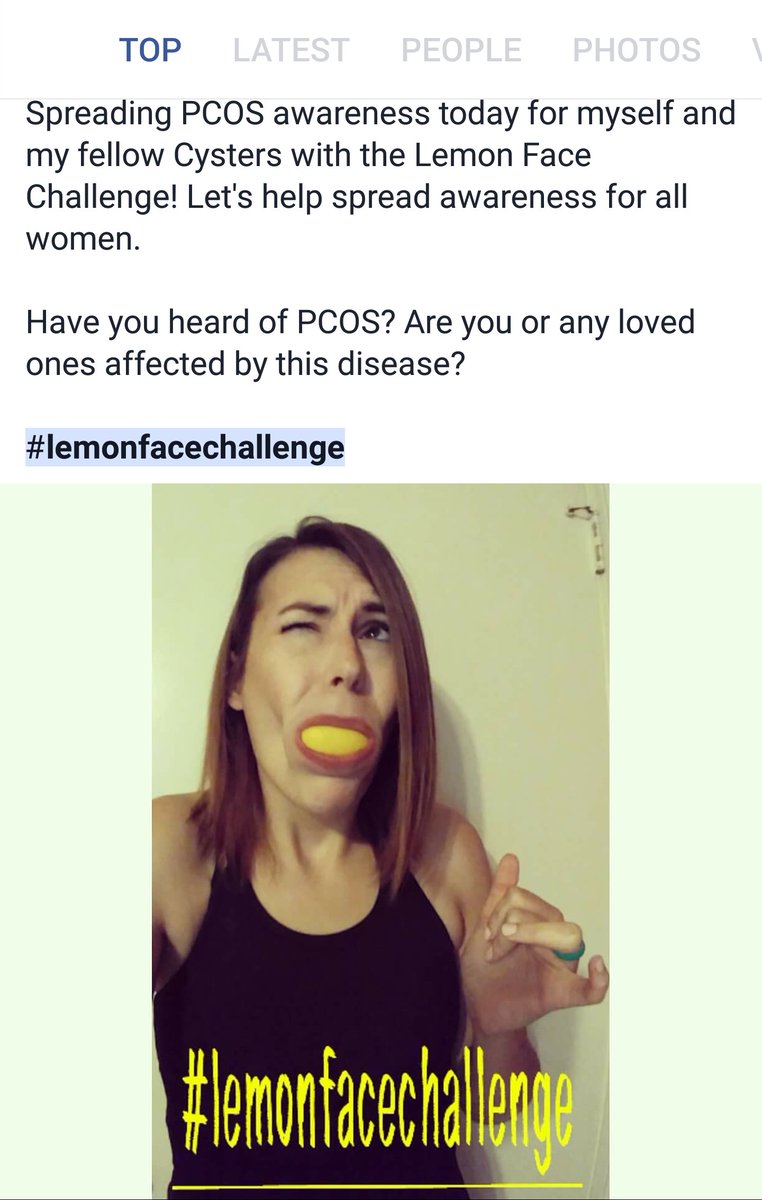
Members of Facebook, Instagram, YouTube and Twitter have been taking to their timelines posting pictures of their freshly squeezed lemon faces to help people learn and spread awareness for a syndrome that is rarely talked about, but should be,

#PCOS or Polycystic Ovary syndrome is the most common endocrine disorder affecting women worldwide. Yet, of the estimated 1 in 10 women living with it, up to 70% are still undiagnosed, as public and even physician knowledge of the syndrome is limited at best.

Even though #PCOS was first recognized over 75 years ago, we are no closer to understanding its cause or its treatment. There is no singular test that can conclude whether a woman or girl has the syndrome instead it is a collection of symptoms, history and diagnostic testing. As a result once a doctor concludes it is Polycystic Ovary Syndrome, they manage the symptoms to prevent long-term health consequences such as #infertility, #diabetes and heart disease.

PCOS or Polycystic Ovary Syndrome got its name because many women with PCOS have changes in their ovaries including small cysts that surrounding the ovary looking as if it is a pearl necklace on ultra sounds. However PCOS is not a gynecological problem, it is rather an endocrine disorder that changes how your body reacts to some hormones, like insulin. The body uses insulin to turn food, especially sugar, into energy with #PCOS insulin sensitivity and insulin resistance can make it harder to process insulin. High levels of insulin cause more androgens (male hormones) to be made in a woman's body. With higher levels of androgens, which all women have, a woman can show some male signs like acne, male patterned baldness or extra hair on the face/body.

Other issues that can wreak havoc on women with PCOS are weight gain, especially around the mid-section (apple shape) and infertility as hormone changes can keep a woman from having an ovum (egg) released from her ovary every month which can cause her to skip periods (amenorreah) or have problems getting pregnant. As insulin increases in a woman with this syndrome it can also lend itself to (acathosis nigracans) or darkened skin in the neck, armpits and skin tags.

The symptoms of PCOS can vary significantly from one woman to the next, therefore a woman often does not realize she may have the syndrome. Public information and awareness about the symptoms and the serious nature of the disorder are crucial to identifying women in need of treatment.


For women to make informed decisions about their health management, the information upon which they base their decisions should be accurate, current, based upon well-performed research studies, and obtained from well-informed and well-trained physicians and other caregivers. This information must be easy for the general public to find and understand. There are many sources of information available on the internet please visit @pcosgurl on Twitter to be connected with more information and professionals treating PCOS and their symptoms and support initiatives such as the current #LemonFaceChallenge for #PCOS


Let's face it, its a sour deal when....

Up to 70% of women worldwide have not been diagnosed with #PCOS


Less than 0.1% of funding is dedicated to #PCOS Research

You can not explain what's happening to your body to your friends and family

You're afraid of being judged for something beyond your control

You're very on doctor does not know what you have or how to treat
it, often dismissing your symptoms

It's time to end the silence about this syndrome and we thank all of the participants for speaking up and standing out with their fun, funny and thought provoking photos...


Here is just a small sample of some of the participants....


You can view more pictures on Twitter, Facebook and Instagram use tag #LemonFaceChallenge

So grab some lemons, make a face and raise awareness..

HOW DO I PARTICIPATE

1. Bite a lemon or lemon slice
2, Take a pic or video
3. Upload to Facebook, Twitter, YouTube and/or Instagram
4. Tag with #LemonFaceChallenge
5. Donate to a #PCOS Organization

PCOSCHALLENGE - http://www.pcoschallenge.org
PCOSAA- http://www.pcosaa.org
VERITY- http://www.verity-pcos.org.uk


Monday, May 30, 2016

The #LemonFaceChalleng for #PCOS is ending the Sour Deal!!!

The #LemonFaceChallenge for #PCOS is gaining momentum and ending a sour Deal!

Author: Ashley Levinson @pcosgurl


Millions of Women living with #PCOS or Polycystic Ovary Syndrome are hoping The #LemonFaceChallenge for PCOS Awareness will bring much needed recognition to a syndrome not often talked about!

 
Over the next few months youll be seeing profiles, pictures, tweets and more going sour with people biting lemons and talking about ‪#‎PCOS‬.... But, many may be wondering why?

What PCOS is, and what it does to women who have it, is complicated to explain as symptoms and severity of the syndrome can vary from person to person. Some of the classic symptoms are drastic weight gain, hair loss, depression, fatigue, thyroid problems, high cholesterol, panic attacks, headaches, dizzy spells, poor memory or muddled mind, sleeping disorders, constant thirst, extreme cravings, insulin resistance, cystic acne, cystic ovaries, menstrual cycles without ovulation, irregular cycles, severe mood swings, high testosterone levels, infertility problems, excess facial and body hair, not to mention a seven times greater risk than an average woman for four major health concerns affecting women in the United States today including heart disease, diabetes, endometrial cancer and stroke.


Even though #PCOS was first recognized over 75 years ago, we are no closer to understanding its cause or its treatment. There is no singular test that can conclude whether a woman or girl has the syndrome instead it is a collection of symptoms, history and diagnostic testing. As a result once a doctor concludes it is Polycystic Ovary Syndrome, they manage the symptoms to prevent long-term health consequences such as infertility, diabetes and heart disease.

So by now you are probably wondering if you do not already know,


What is Polycystic Ovary Syndrome (#PCOS)?

Polycystic Ovary Syndrome (PCOS) is the most common hormonal problem in women. It is also a metabolic disorder that affects several body systems and can cause significant long-term health consequences. PCOS is often characterized by enlarged ovaries, with multiple small painless cysts or follicles, that form in the ovary. Two other key features of PCOS are production of excess androgens (male sex hormones) and anovulation (the failure to ovulate properly), which makes PCOS the leading cause of infertility.


So How does PCOS Affect my Body?

PCOS or Polycystic Ovary Syndrome got its name because many women with PCOS have changes in their ovaries including small cysts that surround the ovary looking as if it is a pearl necklace on ultra sounds. However PCOS is not a gynecological problem, rather an endocrine disorder that changes how your body reacts to some hormones, like insulin. The body uses insulin to turn food, especially sugar, into energy with #PCOS insulin sensitivity and insulin resistance can make it harder to process insulin. High levels of insulin cause more androgens (male hormones) to be made in a woman's body. With higher levels of androgens, which all women have, a woman can show some male signs like acne, male patterned baldness or extra hair on the face or body.

Other issues that can wreak havoc on women with PCOS are weight gain, especially around the mid-section (apple shape) and infertility as hormone changes can keep a woman from having an ovum (egg) released from her ovary every month which can cause her to skip periods (amenorreah) or have problems getting pregnant. As insulin increases in a woman with this syndrome it can also lend itself to (acathosis nigracans) or darkened skin in the neck, armpits and skin tags.


So Why is getting diagnosed so difficult?

There are two reasons why so many women with PCOS are undiagnosed for years:

1. Some doctors may think that girls will "grow out" of irregular periods, not recognizing that it is not normal to have irregular periods

2. Other doctors, mostly gynecologists, KNOW that a woman or girl has PCOS, but fail to mention or discuss it with their patients

PCOS is diagnosed by taking a history, doing a physical exam, getting blood tests, and possibly getting an ultrasound. Of these 4 things, the most important is a history of irregular periods: if you tell a doctor your periods are irregular, chances are nearly 100% that you have PCOS.

The number one, two and three warning signs of PCOS are irregular periods, irregular periods, and irregular periods! Also: trouble conceiving.


What treatments are available for PCOS?

PCOS is probably multifactorial, and has different causes in different women. However, in most women, the insulin levels are very high. The high insulin levels drive the ovary to produce too much testosterone. So in most women, the key is to lower the insulin levels, which in turn will lower the testosterone. The most effective ways to lower insulin are:

1. exercise, both aerobic and weight-training
2. avoid simple carbohydrates. Period.
3. take insulin-lowering medications to help make exercise and diet more effective


What is being done to learn more about treatment and diagnosis for PCOS?

Although the etiology of the syndrome is unclear, there are currently markers being researched. A forum in 2013 outlined the possible causes and effects of #PCOS and is calling for government recognition and research into these areas.

Potential areas of further research activity include the analysis of predisposing conditions that increase the risk of PCOS, particularly genetic background and environmental factors, such as endocrine disruptors and lifestyle

PCOS Forum: Research in Polycystic Ovary Syndrome Today and Tomorrow
http://www.ncbi.nlm.nih.gov/pmc/articles/PMC3742326/

PCOS affects various women in various ways however it should never be left unchecked! Even if you don't want children, it is essential to treat PCOS. The high insulin and testosterone lead to high blood pressure, abnormal cholesterol and eventually diabetes. These are the big three conditions that lead to heart disease.

So now that you now what it is what can you do to help raise Awareness?

Up to 70% of women with #PCOS never actually get diagnosed. Thats millions of women living with a condition that can affect them both physically and emotionally.
we are asking people to help change this by joining The #LemonFaceChallenge for #PCOS to raise awareness and funding ending this sour deal!!!


HOW DO I PARTICIPATE IN
#LemonFaceChallenge

Join our Thunderclap Campaign

https://www.thunderclap.it/projects/42252-lemonfacechallenge-for-pcos


Take a Pic or video
Biting into a lemon and showing people your lemon face shows its a
sour deal that needs immediate change!!!

1. Cut a lemon wedge and bite into it
2. Take a pic/video biting lemon
3. Post to your timeline or feed
4. Challenge friends and family

WATCH VIDEO THAT STARTED THE TREND

https://youtu.be/adHnmZVJil0


READ WEGOHEALTH BLOG POST

http://blog.wegohealth.com/…/wego-healths-lemon-face-for-p…/


If you cannot take part in the challenge please DONATE to one of the following organizations to help them carry on their mission of support education and advocacy for women with PCOS their families and their supporters.

LEARN MORE ABOUT #PCOS AND/OR DONATE TO CONTINUE THEIR MISSION

PCOS CHALLENGE
http://m.pcoschallenge.org/


Sunday, May 22, 2016

The #LemonFaceChallenge going viral for #PCOS


#cysters and their supporters are banning together to create a viral campaign to raise awareness for #PCOS (Polycystic Ovary Syndrome)

PCOS affects 1 in 10 women worldwide. It is the most common endocrine disorder and a leading cause of infertility in women.

If a #woman has irregular menstrual cycles, excess facial and body hair,  #acne, weight gain, #infertility and enlarged ovaries she may have #PCOS


Some quick facts about #PCOS

#PCOS is the most common cause of irregular periods. In fact, it’s a good bet that if a woman has irregular periods, she has PCOS.

#Bulimia is common in women with #PCOS. About 6% of PCOS patients have bulimia, compared to about 1% of other women.

By age 40, up to 40% of women with #PCOS have some level of abnormal glucose tolerance, either diabetes or impaired glucose tolerance.

There is an Increased prevalence of #NAFLD non alcoholic fatty liver disease reported in patients with polycystic ovary syndrome #PCOS

The risk of #heartattack is 4 to 7 times higher in #women with #PCOS than #women of the same age without PCOS.

Many women with #PCOS have low self esteem and suffer from body dysmorphia
contributing to the prevalence of anxiety & depression


So How many women have #PCOS?

Some Statistics
3.5 million in the UK
7 million in the USA
2.6 million in Mexico
32.5 Million in China
26.6 Million in India

and these are only a small segment of what PCOS is and the long-term complications that are associated with the syndrome.

So why is noone talking about it????

Up to 70% of women with #PCOS never actually get diagnosed. Thats millions of women living with a condition that can affect them both physically and emotionally.


To add to this only about 0.1% of funding from NIH is dedicated to PCOS research and education..... which means there is still very little public awareness about the condition making it one of the most underserved women's health issues of our time....

This is a sour deal!!!!

So we are asking people to help change this by joining The #LemonFaceChallenge for #PCOS to raise awareness and funding ending this sour deal!!!


HOW DO I PARTICIPATE IN #LemonFaceChallenge

Biting into a lemon and showing people your lemon face shows its a sour deal that needs immediate change!!!

1. Cut a lemon wedge and bite into it
2. Take a pic/video biting lemon
3. Post to your timeline or feed
4. Challenge friends and family

WATCH VIDEO

https://youtu.be/adHnmZVJil0


Join our Facebook page
https://m.facebook.com/PCOS-Lemonfacechallenge-1743114522624731/

#LemonFaceChallenge to see updates on videos and pics from participants or to add your video/pic


If you cannot take part in the challenge please DONATE to one of the following  organizations to help them carry on their mission of support education and advocacy for women with PCOS their families and their supporters.

LEARN MORE ABOUT #PCOS

PCOS CHALLENGE
http://m.pcoschallenge.org/

PCOSAA
http://www.pcosaa.org/

VERITY
 http://www.verity-pcos.org.uk/